Meta ads
Facebook ad creative testing: how many videos a month
How many new video ads a Nepali business needs each month, how to test them on a small budget without confusing Meta's delivery, and how to tell when a video has worn out.
Dyangai ·
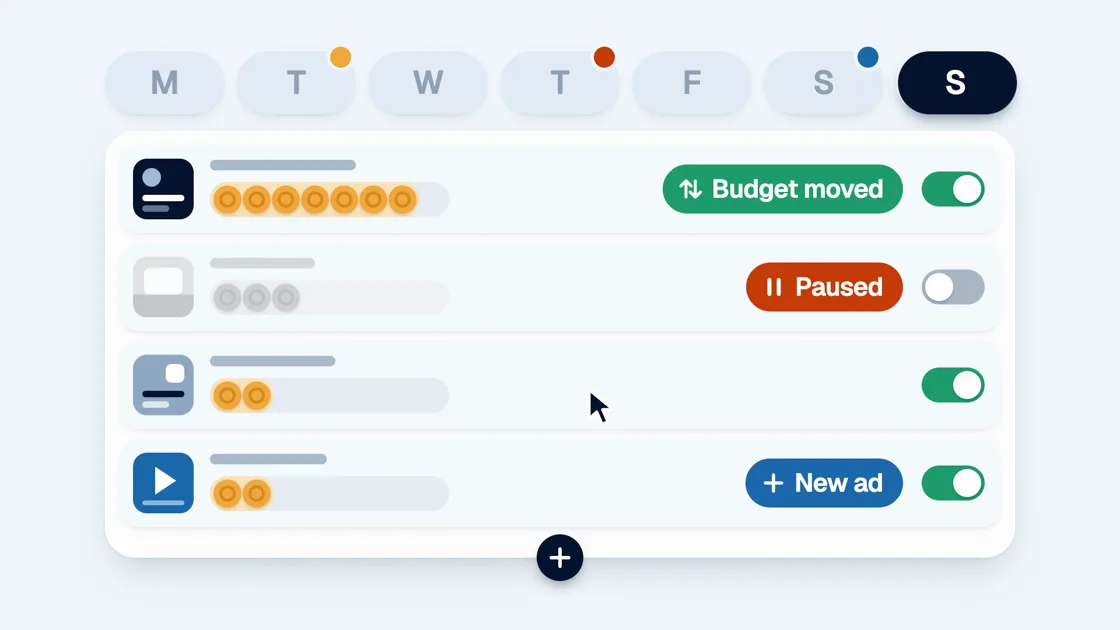
Facebook ad creative testing is the habit of trying a few different video ads, keeping the ones that bring messages or sales at a fair cost, and replacing the rest. For most Nepali businesses the real question is simpler: how many new videos do we need each month? This guide gives a practical answer for small and medium budgets in rupees, a testing routine you can run in Ads Manager, and the signs that a video has stopped working.
What creative testing means for video ads
A creative test compares ads that differ in one clear way, so you learn something you can use next month. For video ads, the useful differences are big ones:
- The angle: price, quality, speed of delivery, trust, or a problem the product solves.
- The hook: the first two or three seconds, which decide whether anyone keeps watching.
- The offer: a festival discount, free delivery inside Kathmandu valley, or a free consultation.
- The format: a presenter talking to camera, product shots with text, or a customer-style video.
Changing the background music or the colour of a caption is a small variation, not a new concept. Small tweaks rarely show a difference on a small budget. Test ideas first, polish later. Our guide to Facebook video ad hooks for Nepali audiences has openings worth testing against each other.
How many new videos a month
There is no single right number, because it depends on how much you spend and how fast your audience sees the same ad again. A useful rule for most Nepali businesses spending a modest monthly budget is three to five genuinely different concepts a month, plus a couple of cut-down versions of whichever one is winning.
That is roughly what our own Make plan is built around: 4 to 5 new ad concepts every month. We chose that range because it gives enough fresh ideas to test while keeping each ad's share of the budget large enough to show a result. If you spend very little, two or three new concepts a month may be all your budget can judge. If you spend more, or sell to a small audience such as one city, you will need fresh videos more often because people see each ad sooner.
What matters more than the exact number is the rhythm. New videos should arrive every month, not once a year when sales drop. AI production is what makes that rhythm affordable for many businesses here; see how we approach AI video ads in Nepal.
Why small budgets need fewer ads at once
It is tempting to put ten videos in one ad set and let Meta pick. On a small budget that usually backfires. Meta's help page about learning limited says an ad set becomes learning limited when it is unlikely to get about 50 optimisation events in the week after your last significant edit, and it lists running too many ads at the same time as one of the causes.
In plain words: if your ad set only gets a handful of messages or orders a week, splitting them across ten videos leaves Meta with too little to learn from. Keep three to five ads live per ad set, pick an optimisation event that happens often enough (messages, for example, rather than purchases if purchases are rare), and add new videos in batches instead of one at a time, so you make fewer significant edits.
A simple Facebook ad creative testing routine
This monthly loop works for most businesses selling through Messenger, WhatsApp or a website:
- Week one: launch three to five new concepts in your main campaign, alongside last month's best ad.
- Weeks two and three: leave them alone. Do not judge an ad after one day or a few hundred rupees.
- Week four: compare cost per result, and for chat ads, how many chats turned into orders. Keep the best one or two, turn off the clear losers, and brief next month's videos based on what won.
- Every month: keep a short note of each concept, its angle and its result. After a few months that note is worth more than any single ad.
If you pay for ads with a dollar card, check the card limit before launch week so a payment failure does not pause the test halfway through.
Informal testing or a proper A/B test
The routine above is informal: Meta's delivery decides how much each ad gets. When you want a cleaner answer to one specific question, such as presenter video versus product-only video, use Meta's A/B test tool. Meta's page about A/B testing explains that each version is shown to a separate part of your audience so nobody sees both, and that it does not recommend testing by turning ad sets on and off by hand. Its A/B test best practices say to test one variable, avoid using the same audience in other campaigns at the same time, and run tests for at least seven days, up to 30.
A/B tests need a budget large enough for each version to produce results, so many small businesses use them a few times a year for big questions and use the informal loop the rest of the time.
How to know when a video is tired
Even a winning ad wears out. Meta's help page on creative fatigue recommendations says Ads Manager can show a Creative limited or Creative fatigue status in the Delivery column when your audience has seen the same ad too many times and its cost per result has risen compared with your past ads. Meta suggests creating a new ad that is materially different from the original, and notes that keeping the original running may still help.
Other signs to watch: cost per message creeping up week after week, comments repeating the same question, and your own team saying they are tired of seeing it. When that happens, the next concept should already be ready.
Frequently asked questions
Can I test AI-generated videos the same way as filmed ones?
Yes, the same routine works, but some AI content comes with disclosure rules. Our guide to Meta's rules on AI-generated video in ads explains what to check. Customer-style AI videos are covered in our piece on AI UGC ads.
Should I test in Nepali or English?
Test both if your buyers use both. Language is a big difference, so treat a Nepali and an English version of the same idea as two concepts and compare them like any other test.
What to do next
This week, count how many truly different video concepts you ran in the last three months. If the answer is fewer than three a month, plan three new angles for next month and set a date to compare them. If you want a Kathmandu team to make the videos and run the testing in your own ad account, read about Dyangai's Facebook ads management.
WhatsApp us