
Video ads
AI UGC ads in Nepal: what they are and when they work
What UGC-style ads are, how AI versions with presenters and voices are made, where the honesty limits sit, and when real creators or real customer clips are the better choice for a Nepali business.
Dyangai ·
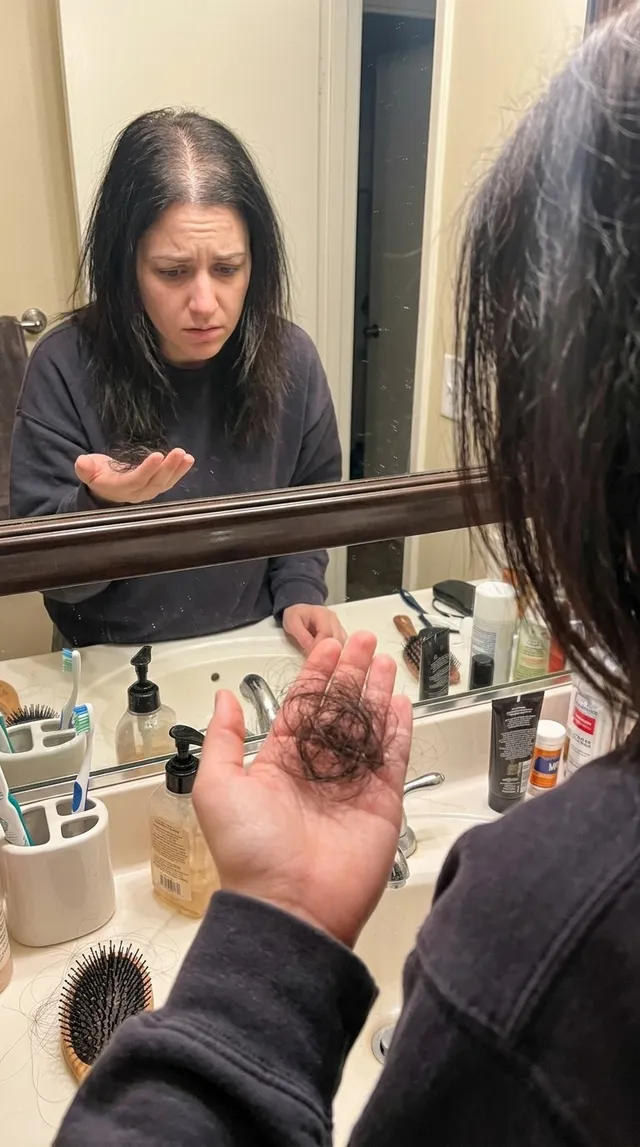
You may have seen ads that look like a normal person talking to their phone, saying why they like a product. That style is called UGC, short for user-generated content, and it has become popular because it feels less like an advert. Now there are AI UGC ads too, where the presenter and voice are generated. This guide explains what they are, where they help a Nepali business, and where you must be careful, because the line between style and deception matters here.
What UGC-style ads are
A UGC-style ad copies the look of content made by ordinary people: a handheld phone shot, a person talking close to the camera, simple captions, a real room in the background. The idea is that viewers trust it more than a polished studio advert.
Real UGC comes from real customers or paid creators filming themselves with your product. A UGC-style ad can also be made by a brand using staff, a hired creator or a presenter. These are different things, and the difference decides what you can honestly claim.
What AI UGC ads are
AI UGC ads use generated presenters, avatars or voices to deliver a script in that same phone-camera style. A person on the team writes the script, an AI tool produces the presenter and speech, and the editor adds captions, product shots and music. Your own product photos or clips can be placed in.
The attraction is practical. You do not need to find a creator, arrange a shoot, wait for footage or pay for reshoots. You can make several versions of the same script with different openings, which fits how ads are tested. Our guide to hooks shows why that matters.
The honesty limit
This is the part most people skip. An AI presenter is a presenter. It is not a customer. So:
- Never show an AI person saying they bought and used your product, and present it as a real customer's experience.
- Never invent a name, a city or a story for a made-up customer.
- Never use an AI face or voice that copies a real person, a celebrity or a known creator.
- Never claim results that real customers have not had.
An AI presenter can say: here is what this product is, here is the price, here is how to order. That is a brand speaking, and it is honest. An AI presenter saying I used this for a month and my skin changed is a fake testimonial, and it could mislead buyers and break Meta's rules. We cover the platform side in our guide on AI-generated video in Facebook and Instagram ads.
Where it is sensible, tell viewers. A short line in the caption or end frame such as presented by an AI host is simple and costs nothing. Meta may also apply its own labels in some cases, and it has a disclosure rule for political and social issue ads, so read the official pages before you run anything sensitive.
When AI UGC ads work
They tend to suit businesses where the message is the main thing, not the person:
- Explaining an offer, a price or a how-to-order process.
- Product demonstrations where the presenter introduces and the product does the work.
- Testing many angles quickly for the same product.
- Businesses with no budget or time for creator shoots, such as small online shops outside Kathmandu.
- Service explainers, such as admissions steps, appointment booking or delivery areas.
When real creators are better
Use real people when trust depends on a real experience:
- Skin care, hair care, supplements and anything where results vary by person.
- Food, where a real person reacting to the real taste matters.
- Clothing fit, where a real body in the real garment answers the size question.
- Services where the owner or a doctor is the reason people trust you.
- Any ad that includes a testimonial. It must come from a real customer who agreed to it.
A creator in Pokhara or Kathmandu filming your product honestly will often beat a generated presenter on these. Paying a creator is a cost, but fake proof is a bigger risk.
Mixing real customer clips with AI-made scenes
A strong middle route is to combine them. Ask a happy customer for a short clip or a screenshot of their message, and get permission in writing, even a WhatsApp message saying yes, you can use my clip in your ads. Then use AI-made scenes for the parts that need production: the intro, the product detail shots, the price card, the delivery map. The real voice carries the proof, and the AI work carries the packaging. Label which part is which in your own records.
Checking Nepali language quality
Nepali is where AI UGC most often goes wrong. Before any video runs:
- Have a native speaker read the script aloud, not just on paper.
- Check the voice: stress, pace and pronunciation of names and places.
- Check lip movement against the speech. If the mouth does not match, viewers notice.
- Check spelling in captions, especially conjunct letters and spacing.
- Check numbers and prices read the way people say them in Nepal.
- Watch the full video on a phone with sound off, then with sound on.
If a presenter sounds like a translated advertisement, change the script, the voice or both.
What to do next
Look at your best-selling product and decide which of the two jobs the ad has: to explain, or to prove. If it is to explain, an AI presenter may be enough. If it is to prove, ask three real customers for a clip this week, with permission.
Dyangai is a Kathmandu team that makes AI video ads every month, checked by people, and can build ads around your own customer clips and photos. Monthly plans start from Rs 25,000, and ad spend is paid separately to Meta. See our AI video ads service and examples of our work.
WhatsApp us