
Lead management
How to follow up Messenger and WhatsApp enquiries without losing buyers
Many Nepali businesses pay for ads that bring messages, then lose the buyers in the inbox. Here is a simple system to answer fast, follow up properly and bring past buyers back.
Dyangai ·
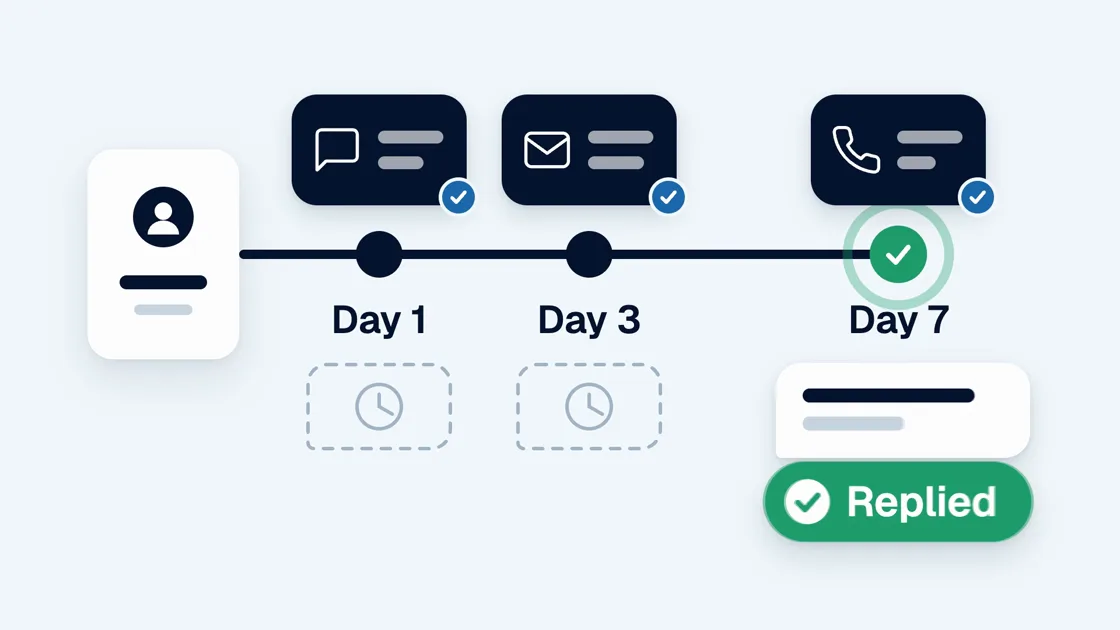
In Nepal, most sales from Facebook and Instagram ads happen in a chat. Someone sees the ad, sends "price?" on Messenger or WhatsApp, and the sale is won or lost in the next few minutes and days. Many businesses spend well on ads and then lose buyers in the inbox. This guide gives you a simple system to stop that.
Why enquiries go cold
The most common reasons are simple:
- Nobody replies for hours, so the person buys from someone who replied first.
- The reply is just a price, with no question back and no next step.
- Nobody follows up after the first conversation, so people who were interested simply forget.
- Messages are spread across Messenger, Instagram, WhatsApp and personal phones, so nobody knows who has been answered.
None of these is about the ad. They are about what happens after the message arrives, and they are cheap to fix.
Step 1: answer fast
Reply as quickly as you can, especially during the hours your ads are running. Set up an instant reply on Messenger and WhatsApp Business that greets the person, says when a person will answer, and asks one useful question. Then make sure a real person follows within minutes during working hours.
If enquiries come in late at night, say clearly when you will reply in the morning, and then do it first thing.
Step 2: reply with a question, not just a price
When someone asks for the price, give it, and then ask a question that moves the sale forward. For a product: which size, colour or quantity they want, and where to deliver. For a service: what they need, when, and whether they would like to visit or call.
A reply that ends with a question keeps the conversation going. A reply that ends with a number often ends the conversation.
Step 3: keep a simple list
You do not need expensive software to start. A shared sheet works. For every enquiry, note the date, name, number, what they asked about, where they came from and the status: new, talking, ready to buy, bought or lost. Labels in WhatsApp Business and Meta Business Suite can do the same job inside the apps.
The point is that anyone on your team can see who needs a reply today.
Step 4: follow up on a schedule
Most people do not buy on the first message. Decide on a follow-up schedule and stick to it. For example, a friendly check the next day, another a few days later with a useful detail or answer to a common worry, and a last one about a week later. Keep each message short and personal, and stop when someone says no.
Step 5: recover abandoned carts and orders
If you sell online, some people will start an order and not finish. If they left a number or are in a chat, a polite reminder the same day, with an answer to the usual worry such as delivery time, payment or returns, often brings them back. Treat a half-finished order as a warm enquiry, not a lost one.
Step 6: bring past buyers back
Your past customers are the cheapest people to sell to again. Note what they bought and when. Then, after a sensible time for your product, send a message: a refill reminder, a new arrival that matches what they bought, a seasonal offer before Dashain or Tihar, or a simple thank-you with a reason to come back. Only message people who are happy to hear from you, and make it easy for them to say stop.
Step 7: tell your ads what worked
Once you know which enquiries became sales, look at which ads they came from. An ad with cheap messages that never buy is worse than an ad with pricier messages that do. Feed that back into which ads you keep running.
What to do next
Look at your inbox for the last week and count how many enquiries got a reply within an hour, and how many got a second message. That number tells you how much your ads are losing after the click. If you would like a team to handle replies, follow-up and win-back messages for you, read about our lead management, which is part of our Growth package.
WhatsApp us