
Meta ads
Boost post vs Meta ads: what actually changes for Nepali businesses
Boosting a post and running ads in Meta Ads Manager both cost money, but they do very different jobs. Here is what changes when a Nepali business moves from boosting to proper campaigns.
Dyangai ·
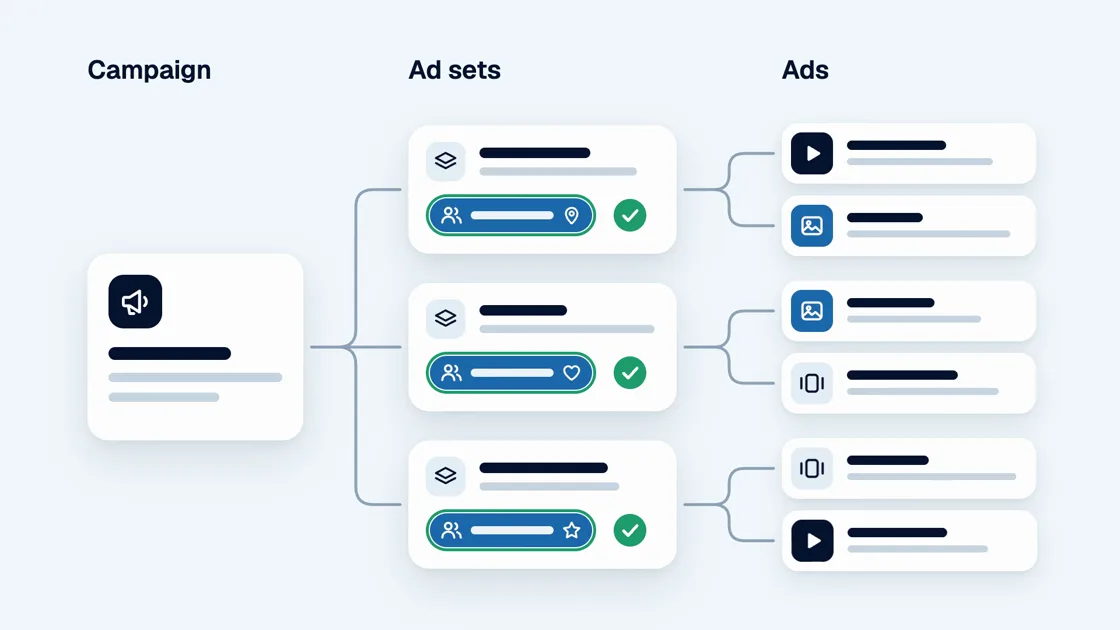
Most Nepali businesses start advertising the same way: a post does well, someone presses Boost, and a few hundred or thousand rupees go out on a dollar card. Sometimes it brings messages. Often it brings likes from people who will never buy. This guide explains what the Boost button actually does, what changes when you run ads properly in Meta Ads Manager, and when it is worth switching.
What boosting does
Boosting takes a post you have already published and shows it to more people. You choose a goal, a rough audience, a budget and a number of days. It is quick and it is simple, which is why so many people use it.
The trouble is what it leaves out. A boosted post is one piece of content, chosen because it did well with your existing followers, not because it was made to sell to strangers. You get only a few goal options, limited control over where it appears, and no easy way to test one version against another. Many boosts end up optimised for engagement, so Meta finds people who like and comment, which is not the same as people who buy.
What Meta ads in Ads Manager add
Ads Manager is the full tool behind the Boost button. The same money can be spent with much more control:
- Goals tied to business results, such as messages, leads, website purchases or calls, so Meta looks for people likely to take that action.
- Several ads in one campaign, so you can test different videos, opening lines and offers side by side and let the budget move to the winner.
- Audiences built from your own customers, website visitors and people who watched your videos, so you can show a different ad to someone who already knows you.
- Placement control across Facebook, Instagram, Messenger and Reels.
- Proper reporting on the cost of each message, lead or sale, not just reach and likes.
The other big change is tracking. With the Meta pixel on your website, or lead forms and click-to-WhatsApp ads, you can see which ad brought which enquiry. Without that, you are guessing.
When boosting is still fine
Boosting is not useless. It is a reasonable way to get a post in front of more of your followers, to promote an event to a local audience, or to test whether a piece of content is interesting before you build a campaign around it. If your budget is very small and your goal is visibility, a boost can be enough.
It stops being enough when you want a steady stream of messages or sales and need to know what each one costs.
Signs it is time to switch
- You boost every week but cannot say how many sales came from it.
- Boosts bring likes and comments but few real enquiries.
- You keep boosting the same kind of post and results are dropping.
- You are spending more on ads each month and want the money to work harder.
- You have new products or offers and need to find out which message sells.
What running Meta ads properly takes
Moving to Ads Manager is not hard, but it does take a little set-up and regular attention:
- A business ad account in your own name, so you own the history and the data.
- A way to pay Meta in dollars, usually a dollar card from a Nepali bank. Check the current limits with your bank.
- The pixel installed on your website if you sell online, or lead forms and Messenger or WhatsApp ads if you sell by chat.
- Several ads made for selling, not just your best organic posts. Short videos usually work best.
- Someone checking results every few days, pausing what does not work and adding new ads before the old ones tire.
That last part is the one most businesses skip. A campaign left alone for a month usually gets worse, because people get tired of seeing the same ad.
A simple first campaign
If you are starting from boosts, keep the first campaign simple. Pick one product or service. Make three short videos with different opening lines. Run them in one campaign with a messages or leads goal, aimed at the areas you deliver to. Let them run for a week, then compare the cost per message, not the likes. Keep the best and replace the others with new versions.
What to do next
Look at your last five boosts and write down how many real enquiries each brought. If you cannot tell, that is the first thing proper Meta ads fix. If you would rather have a team set this up and run it in your own ad account, read about our Facebook and Instagram ads management.
WhatsApp us